Treasury of the Acorn Woodpecker

Although this photo is imperfect, the important details are clear enough: I caught this acorn woodpecker triumphantly storing yet another acorn in a granary tree.
17 posts
Maxwell JoslynAlthough this photo is imperfect, the important details are clear enough: I caught this acorn woodpecker triumphantly storing yet another acorn in a granary tree.
On July 22nd this summer, my mom, my sister, and I were all in the garden, inspecting the flowers and looking around for animal visitors.
My sister had keen eyes that day. First she spotted a shy grasshopper; then, a few minutes later, she noticed this praying mantis hiding in a flower bush.

It's not a perfect photo, but not bad considering I don't own a macro lens. I gave you the close-up instead of the full picture first because, as you'll see below, the best picture I got was taken at an unfortunate time.

Yes, ladies and gentlemen: he prays, and he poops.


If you haven't read Heinlein before, I wouldn't start here -- try The Moon is a Harsh Mistress, then maybe Starship Troopers -- but if you're a diehard fan, you can't go wrong with the extra dose of R.A.H. which this book provides.
The short stories in this collection are classic Heinlein: expect a lot of tight, dialogue-heavy prose between competent, confident (but not two-dimensional) characters. There are also non-fiction essays on several topics, including an amusing and cynical diatribe against public education standards organized around a disheartening exploration of just how little some students actually learn while supposedly "earning" a bachelor's degree at UC Santa Cruz. (Having attended there as a master's student through the end of last year, I can tell you that at least from what I saw, the situation hasn't changed much in 2024.)
This book was catnip for me. Highly recommended.
It's set in 16th-century Italy. O'Farrell clearly did her research into the material conditions of everyday life, the politics of dynasty and inheritance, and, most importantly, the mindsets that nobles, courtiers, artists, and servants would have possessed. Depth of detail does not make a novel good on its own, but O'Farrell marries her deep knowledge of the past with rich, carefully crafted prose that subtly adds or reinforces detail about the book's setting, and skillfully conveys the psychology of Lucrezia, the willful protagonist who struggles against what is expected of her before and after being married off to produce an heir for Alfonso, Duke of Ferrara.
Bolsa Chica Wetlands has blessed me with many a joyous bird sighting. This great horned owl lives there, and some other birdwatchers and I were fortunate enough to catch it in broad daylight: these pictures were taken around 8:30 AM on September 1st.
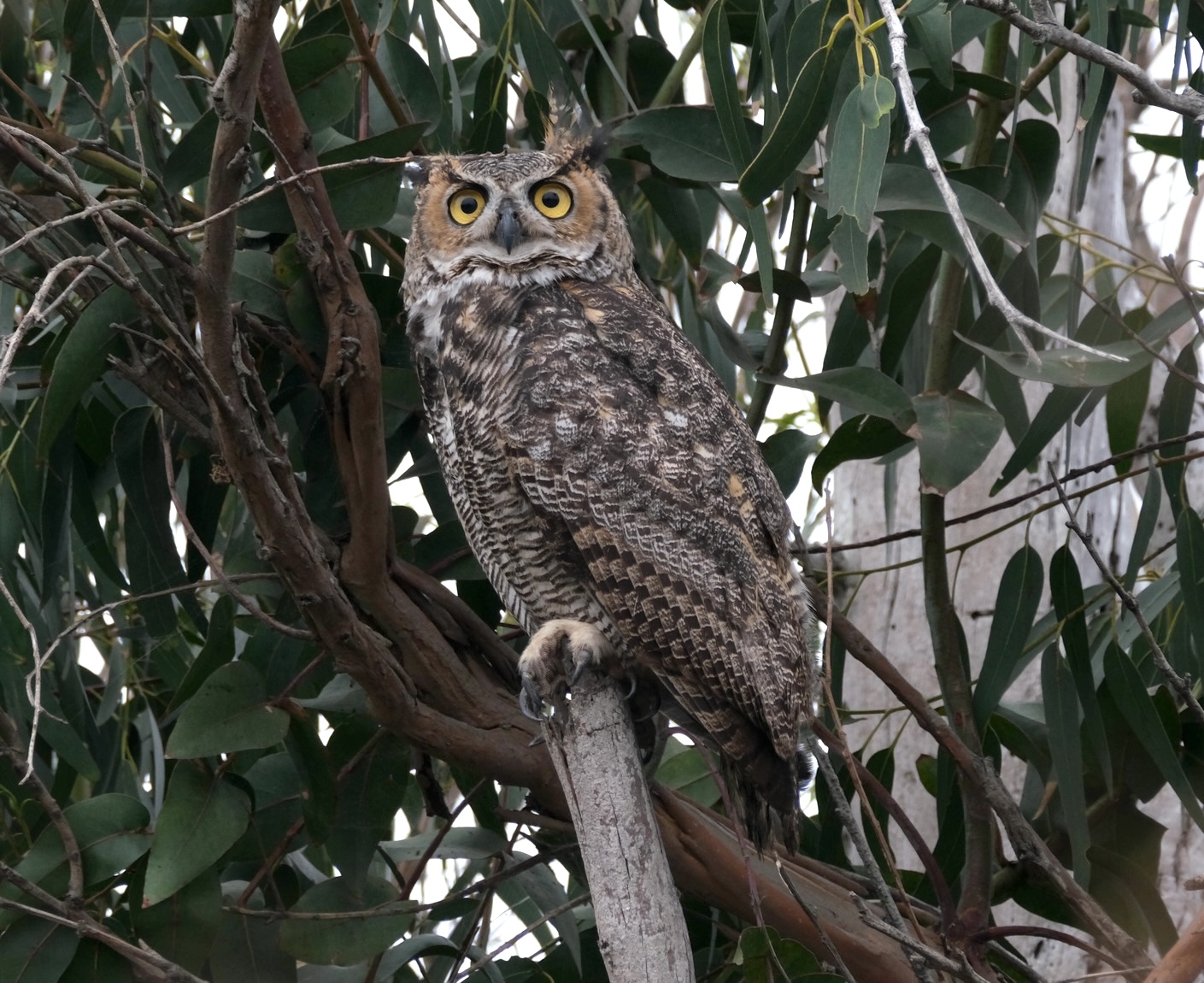
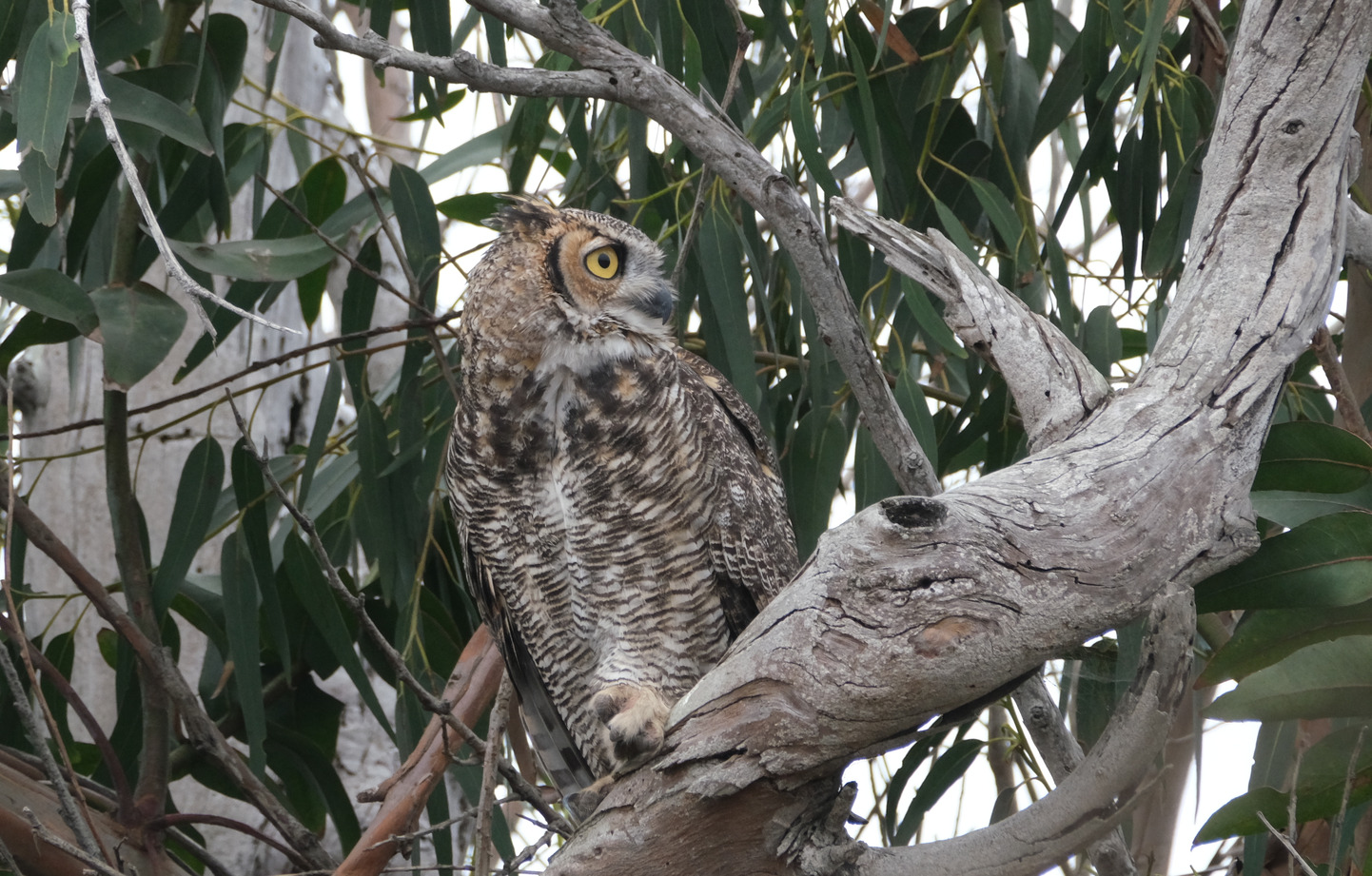
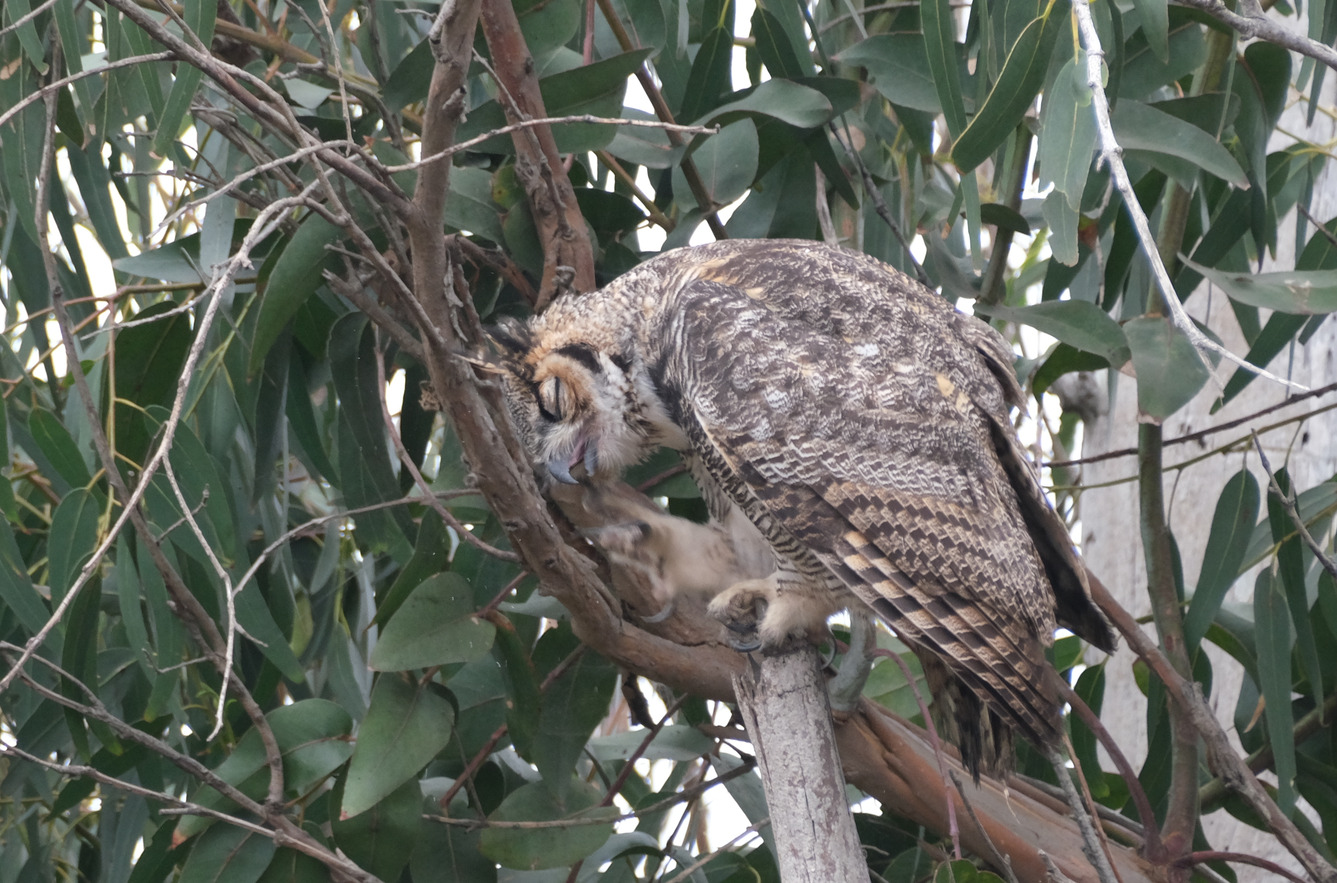

This green heron had just caught a meal.
In reply to
This is what all technical tutorials should look like. Well-composed and generally free of grammatical errors, spends just the right amount of time explaining each new topic as it is introduced, comes with full code samples, and includes visual samples of what the code does. Also, lengthy enough to treat the material in depth, while still being sufficiently self-contained that I can follow along -- without having read part 1 and without more than a few months of Common Lisp under my belt from a couple years back (tho I've done a decent amount of Clojure and Emacs Lisp.)
Bravo, awkravchuk/Andrew :^)
My job search of half a year has finally come to an end. I've accepted an offer from Epic Systems to be a Server Systems Engineer! Roughly speaking, half of the job is being a sysadmin; the other half of the time, I'll be a sort of engineering consultant for sysadmins and DBAs at hospitals that use Epic's health-record software.
I'm excited about the job itself, and also excited about moving to Madison, Wisconsin. I've never been there, but it seems to be a bit like Portland, Oregon, where I lived for seven years during and after undergrad at Reed.
Alexis has weighed in with high and generous praise for 2d6 Taoists:
[T]hese writers have worked diligently and well to create works that deserve recognition in their own right ... I feel overwhelmed at the prospect of examining their work here, as I don't believe that I can do it the justice that it deserves.
I give it my full endorsement; if my work is worth reading, then so too is the work that these designers and writers have done. Trust the effort, trust the value it offers; it is a small but meaningful tome that is worth reading more than once.

This golden-crowned sparrow had a huge appetite.
Taken at Neary Lagoon in Santa Cruz, CA.
Alexis has been writing a new series about dungeon mastering, one post of which was about how to effectively incorporate intrigue into your game. Alexis has a seemingly encyclopedic knowledge of film, and has often suggested ways for DMs to improve their craft by studying movies (such as in this post). After he broached the subject of intrigue, in his Patreon subscriber chatroom I asked what movies a DM should watch to improve his understanding of intrigue. He gave me the following list (alphabetized, sans "a"/"the").
My first reaction after finishing Quiller was that it moved too slowly, but upon reflection, I can overlook that: it was like a one-act play.
I'll be honest: part of me spent the whole movie waiting for Joubert's (Max von Sydow) line in the penultimate scene which begins, "It will happen this way." It's the perfect description of an assassination, uttered by a consummate assassin.
A police thriller where the protagonist, a forensics cop with a CIA background, works to figure out who's trying to frame him for the work of a psycho that loves building murder tunnels. The intrigue is competent, but there are no twists whatsoever, and the writing quality ranges ranging from serviceable to quite poor. Gets a 2.5 instead of a 2 because, for all that, I was sufficiently drawn in to read most of it straight through.

2d6 Taoists, a collection of essays honoring the work of Alexis Smolensk, is now available for purchase. Here's part of the description from the purchase page:
In this volume, four tabletop RPG designers pay homage to Smolensk's influence and talent with essays inspired by facets of his work. Jonathan Becker shares how a change in perspective renewed his devotion to the art of the RPG. Maxwell Joslyn explains why developing RPG-specific software applications is the best path toward expanding RPGs' depth and complexity. Shelby Maddox presents methods for developing game rules and game settings which feel coherent and organic. And Danielle Osterman, after empirically examining YouTube videos and Smolensk's blog posts, makes the case for improving how we teach and train budding DMs.